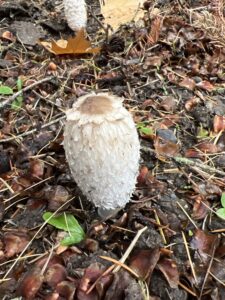
Racing the ink: gathering shaggy manes
They come up overnight after the first cold rain and dissolve into black ink within a day. Here’s how we catch them at the right hour.

The woods and meadows around us hold an astonishing larder — food and medicine both. Pick a plant or mushroom to jump to what it's for, how we gather it, what to avoid, and a printable guide to take to the field.
Spring's prized hunt
The ghost of the timber
Branching forest find
Here today, ink tomorrow
The soldier's herb
Hedgerow medicine
Spring's mineral tonic
Old man's beard
Spring's most-prized find. Morels push up in old burn sites, cottonwood bottoms, and aging apple stands from late April through May, right as the soil warms and the lilacs bud.
We hunt them by eye, cut them at the base to leave the root, and always cook them through — never raw. A true morel is hollow from tip to stem.
Caution — Always cook thoroughly; confirm a hollow interior to rule out false morels.

They come up overnight after the first cold rain and dissolve into black ink within a day. Here’s how we catch them at the right hour.
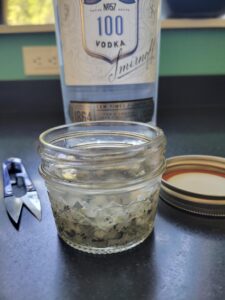
A small, respectful harvest and a simple folk-method tincture. What it’s for, the cautions we honor, and how long it steeps.
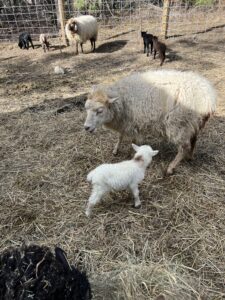
First lamb of the season arrived in a snow squall. The kit we reach for, the signs we watch, and why we never rush the ewe.
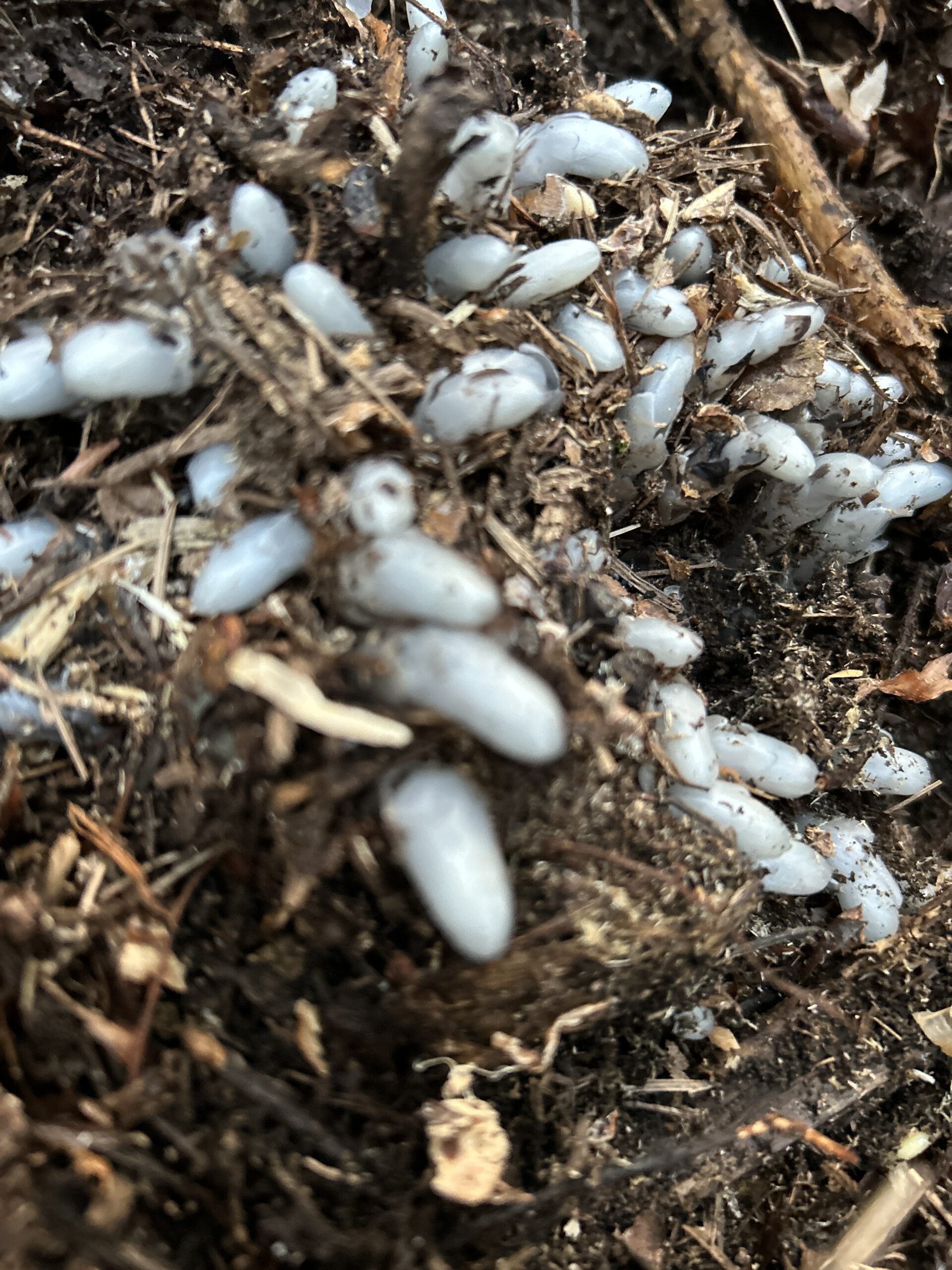
Ghostly white and entirely without chlorophyll, ghost pipe rises from the deep, shaded duff of old timber in the heat of midsummer. It blackens quickly once picked, so we tincture it fresh, on the spot.
We take only a few stems where it grows thickly, and never the whole stand — it's slow to return and deserves respect.
Caution — Potent; use only in small, considered doses and harvest respectfully.

They come up overnight after the first cold rain and dissolve into black ink within a day. Here’s how we catch them at the right hour.

A small, respectful harvest and a simple folk-method tincture. What it’s for, the cautions we honor, and how long it steeps.

First lamb of the season arrived in a snow squall. The kit we reach for, the signs we watch, and why we never rush the ewe.
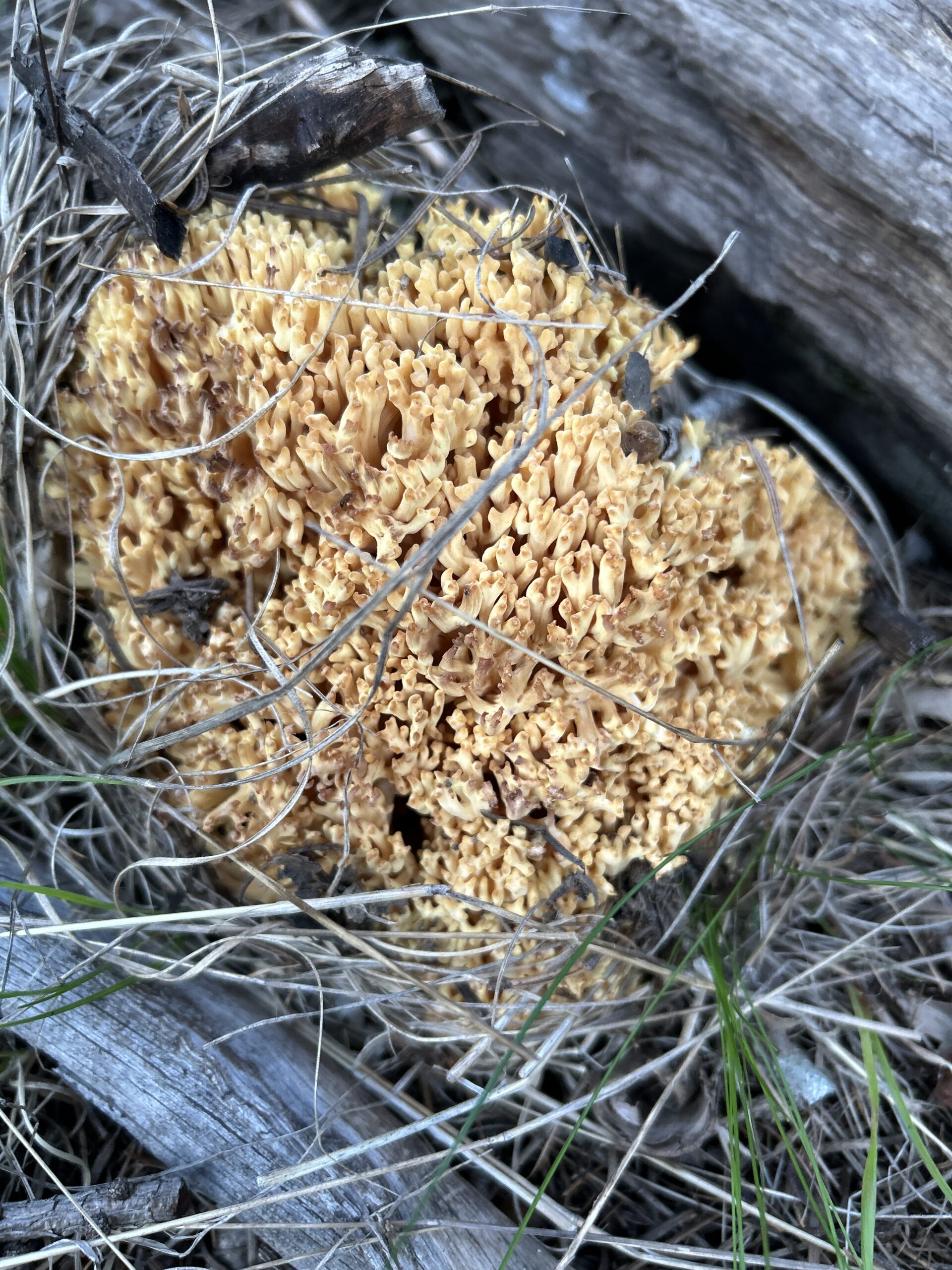
Branching like its namesake, coral mushroom appears against rotting logs and in the duff of the timber from late summer into fall. We gather only firm, young specimens — the older they get, the softer and more bitter they turn.
There are many coral species and a few will upset the stomach, so positive ID matters before any goes in the pan.
Caution — Some corals are laxative; know your exact species and start with a small taste.

They come up overnight after the first cold rain and dissolve into black ink within a day. Here’s how we catch them at the right hour.

A small, respectful harvest and a simple folk-method tincture. What it’s for, the cautions we honor, and how long it steeps.

First lamb of the season arrived in a snow squall. The kit we reach for, the signs we watch, and why we never rush the ewe.
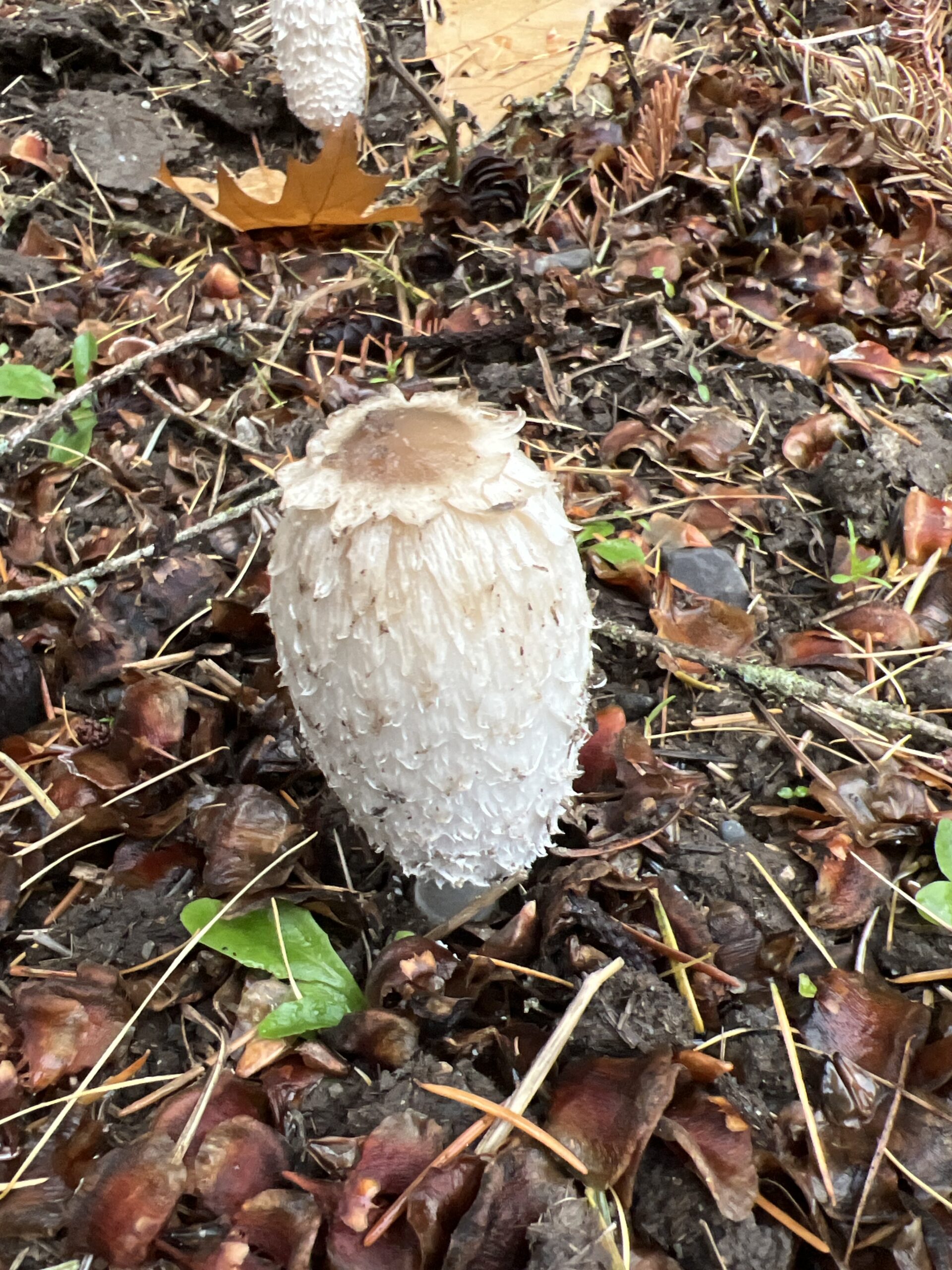
Shaggy manes appear almost overnight along the drive and field edges after the first cold autumn rains. They're unmistakable — tall, white, and scaly — but they don't wait for anyone.
Within a day of picking they dissolve into black ink, so we gather them young and cook them the same afternoon.
Caution — Deliquesces within hours; cook the same day and skip the alcohol alongside.

They come up overnight after the first cold rain and dissolve into black ink within a day. Here’s how we catch them at the right hour.

A small, respectful harvest and a simple folk-method tincture. What it’s for, the cautions we honor, and how long it steeps.

First lamb of the season arrived in a snow squall. The kit we reach for, the signs we watch, and why we never rush the ewe.
A meadow staple with feathery leaves and flat white flower heads, yarrow grows along our field edges all summer. We gather the flowering tops on a dry morning and hang them to dry for tea and salve.
Long called the soldier's herb, it's one of the first plants we reach for when someone takes a spill outside.
Caution — Avoid in pregnancy; some find the fresh plant irritating to the skin.

They come up overnight after the first cold rain and dissolve into black ink within a day. Here’s how we catch them at the right hour.

A small, respectful harvest and a simple folk-method tincture. What it’s for, the cautions we honor, and how long it steeps.

First lamb of the season arrived in a snow squall. The kit we reach for, the signs we watch, and why we never rush the ewe.
Elder grows as a generous shrub along our wetter edges, hanging heavy with dark berries by late summer. We clip whole umbels, strip the berries with a fork, and always cook them before use.
The flowers make a lovely cordial in spring; the berries become our winter syrup.
Caution — Cook the berries first; leaves, stems & raw fruit can make you ill.

They come up overnight after the first cold rain and dissolve into black ink within a day. Here’s how we catch them at the right hour.

A small, respectful harvest and a simple folk-method tincture. What it’s for, the cautions we honor, and how long it steeps.

First lamb of the season arrived in a snow squall. The kit we reach for, the signs we watch, and why we never rush the ewe.
Nettle comes up thick in the moist, shaded ground near the creek each spring. We harvest the young tops with gloves on — the sting vanishes the moment it's cooked or dried.
It's the first wild green of our year and one of the most nourishing, going into soups, teas, and broths.
Caution — Wear gloves to harvest; gather young, before it flowers.

They come up overnight after the first cold rain and dissolve into black ink within a day. Here’s how we catch them at the right hour.

A small, respectful harvest and a simple folk-method tincture. What it’s for, the cautions we honor, and how long it steeps.

First lamb of the season arrived in a snow squall. The kit we reach for, the signs we watch, and why we never rush the ewe.
Usnea — old man's beard — drapes the conifers in pale, stringy green. It grows slowly, so we only ever gather what the wind brings down, picking windfall after a good storm.
You can confirm true usnea by the white elastic cord that stretches inside each strand.
Caution — Confirm the white elastic core; take only windfall, never living growth.

They come up overnight after the first cold rain and dissolve into black ink within a day. Here’s how we catch them at the right hour.

A small, respectful harvest and a simple folk-method tincture. What it’s for, the cautions we honor, and how long it steeps.

First lamb of the season arrived in a snow squall. The kit we reach for, the signs we watch, and why we never rush the ewe.