Foraging

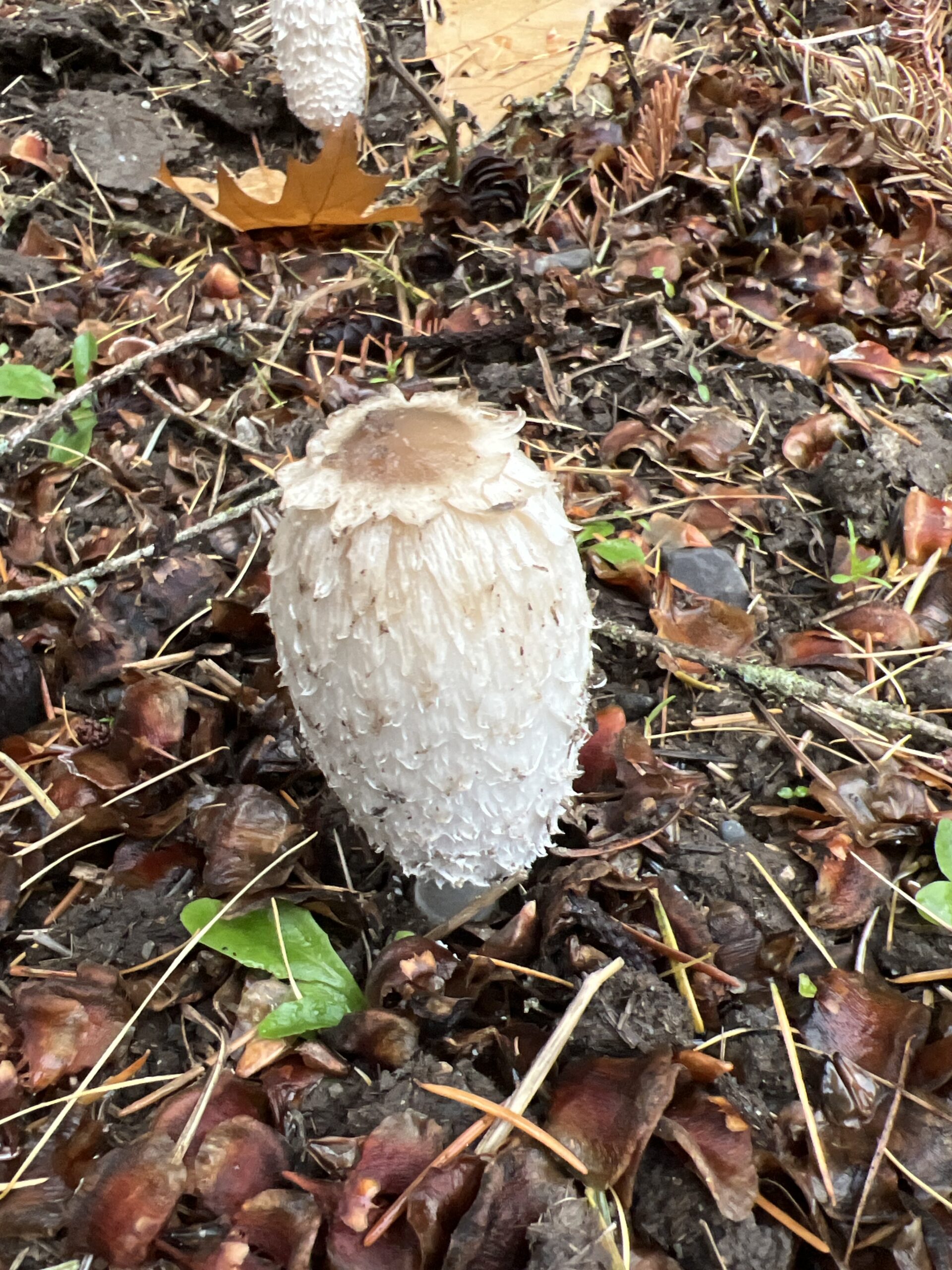
Racing the ink: gathering shaggy manes
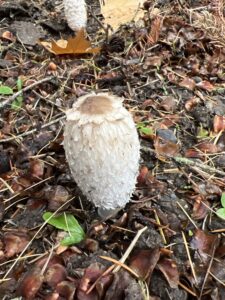
They come up overnight after the first cold rain and dissolve into black ink within a day. Here’s how we catch them at the right hour.

They come up overnight after the first cold rain and dissolve into black ink within a day. Here’s how we catch them at the right hour.
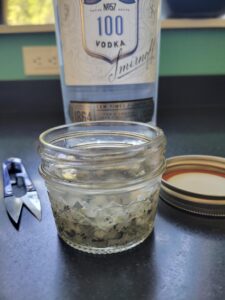
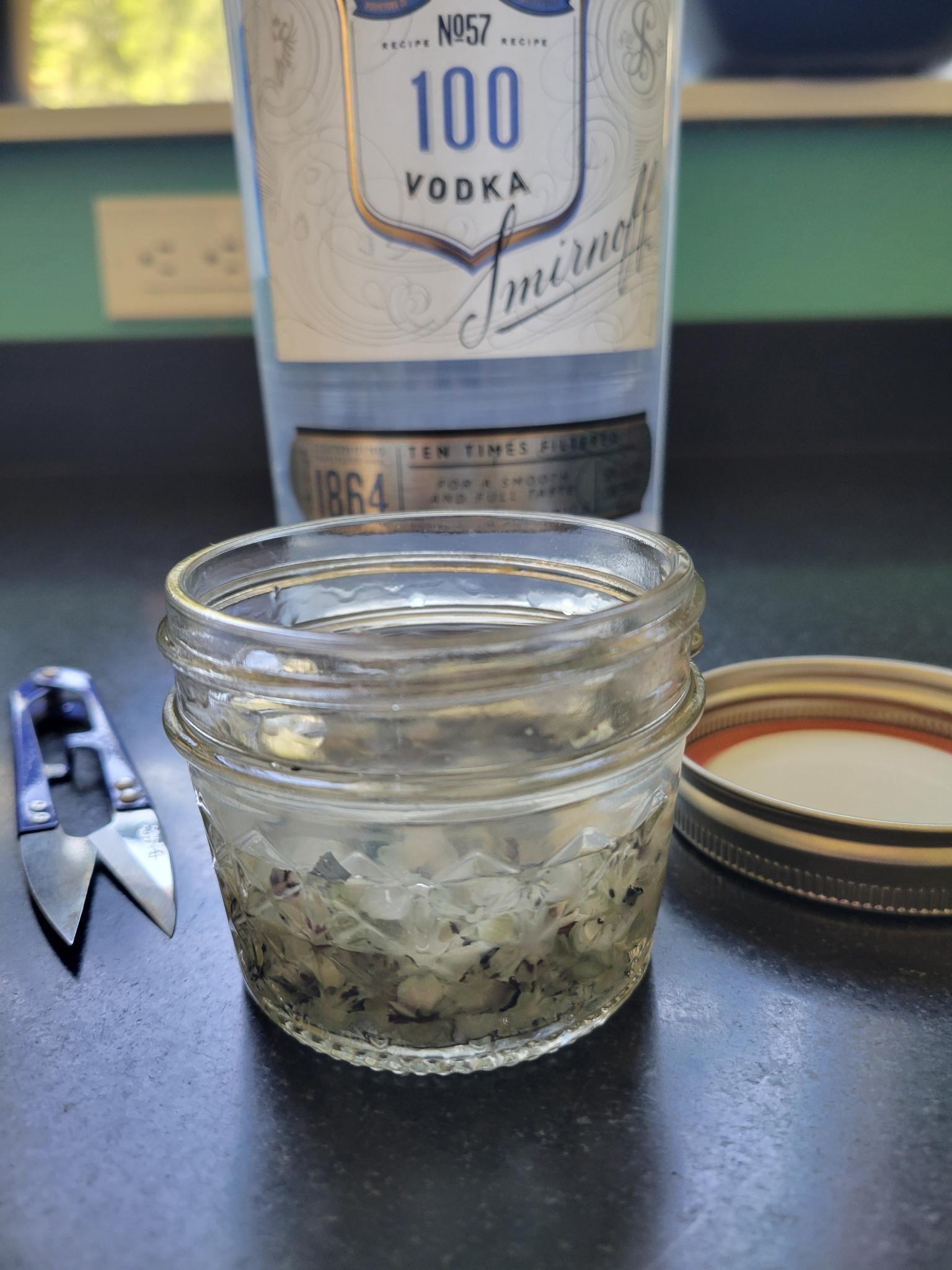
A small, respectful harvest and a simple folk-method tincture. What it’s for, the cautions we honor, and how long it steeps.
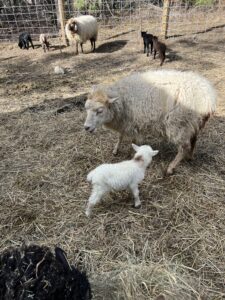
First lamb of the season arrived in a snow squall. The kit we reach for, the signs we watch, and why we never rush the ewe.
They come up overnight after the first cold rain and dissolve into black ink within a day. Here’s how we catch them at the right hour.
A small, respectful harvest and a simple folk-method tincture. What it’s for, the cautions we honor, and how long it steeps.
First lamb of the season arrived in a snow squall. The kit we reach for, the signs we watch, and why we never rush the ewe.
They come up overnight after the first cold rain and dissolve into black ink within a day. Here’s how we catch them at the right hour.
A small, respectful harvest and a simple folk-method tincture. What it’s for, the cautions we honor, and how long it steeps.
First lamb of the season arrived in a snow squall. The kit we reach for, the signs we watch, and why we never rush the ewe.
They come up overnight after the first cold rain and dissolve into black ink within a day. Here’s how we catch them at the right hour.
A small, respectful harvest and a simple folk-method tincture. What it’s for, the cautions we honor, and how long it steeps.
First lamb of the season arrived in a snow squall. The kit we reach for, the signs we watch, and why we never rush the ewe.
They come up overnight after the first cold rain and dissolve into black ink within a day. Here’s how we catch them at the right hour.
A small, respectful harvest and a simple folk-method tincture. What it’s for, the cautions we honor, and how long it steeps.
First lamb of the season arrived in a snow squall. The kit we reach for, the signs we watch, and why we never rush the ewe.
They come up overnight after the first cold rain and dissolve into black ink within a day. Here’s how we catch them at the right hour.
A small, respectful harvest and a simple folk-method tincture. What it’s for, the cautions we honor, and how long it steeps.
First lamb of the season arrived in a snow squall. The kit we reach for, the signs we watch, and why we never rush the ewe.
They come up overnight after the first cold rain and dissolve into black ink within a day. Here’s how we catch them at the right hour.
A small, respectful harvest and a simple folk-method tincture. What it’s for, the cautions we honor, and how long it steeps.
First lamb of the season arrived in a snow squall. The kit we reach for, the signs we watch, and why we never rush the ewe.
They come up overnight after the first cold rain and dissolve into black ink within a day. Here’s how we catch them at the right hour.
A small, respectful harvest and a simple folk-method tincture. What it’s for, the cautions we honor, and how long it steeps.
First lamb of the season arrived in a snow squall. The kit we reach for, the signs we watch, and why we never rush the ewe.